Press release —
Cold plasma treatment with GEHWOL TECH: A dual-action approach for long-term treatment of fungal infections
Why antimicrobial action alone is not enough – and how cold plasma specifically stimulates regeneration.
When treating fungal infections of the nails and skin, the same challenge arises time and again: whilst pathogens are reduced, the regeneration of the affected tissue often remains inhibited. This results in protracted courses of the condition and high recurrence rates. With the Dr.plajin cold plasma device, GEHWOL TECH is therefore pursuing a consistently expanded approach: in addition to the effective antimicrobial action, the focus is specifically on the biological activation and regeneration of the tissue. After all, lasting therapeutic success is achieved where both mechanisms work in tandem.
Dual mechanism of action: pathogen reduction meets cell stimulation
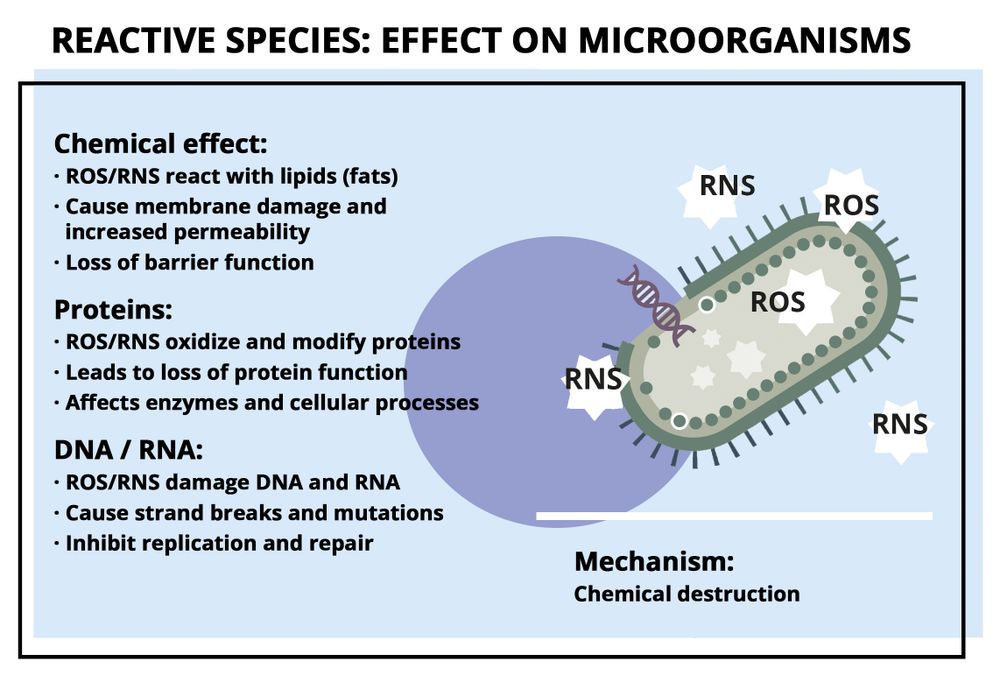
Cold plasma generates a highly reactive field of free electrons and reactive oxygen and nitrogen species (ROS/RNS).
These act in two ways:
1. Antimicrobial effect
The reactive species specifically strip microorganisms of electrons, destabilising their cellular structures. Bacteria, fungi and viruses are thus effectively inactivated – regardless of conventional resistance mechanisms. This effect is particularly crucial in the case of fungal infections, as it immediately reduces the pathogen load.1
2. Regenerative, hormetic effect
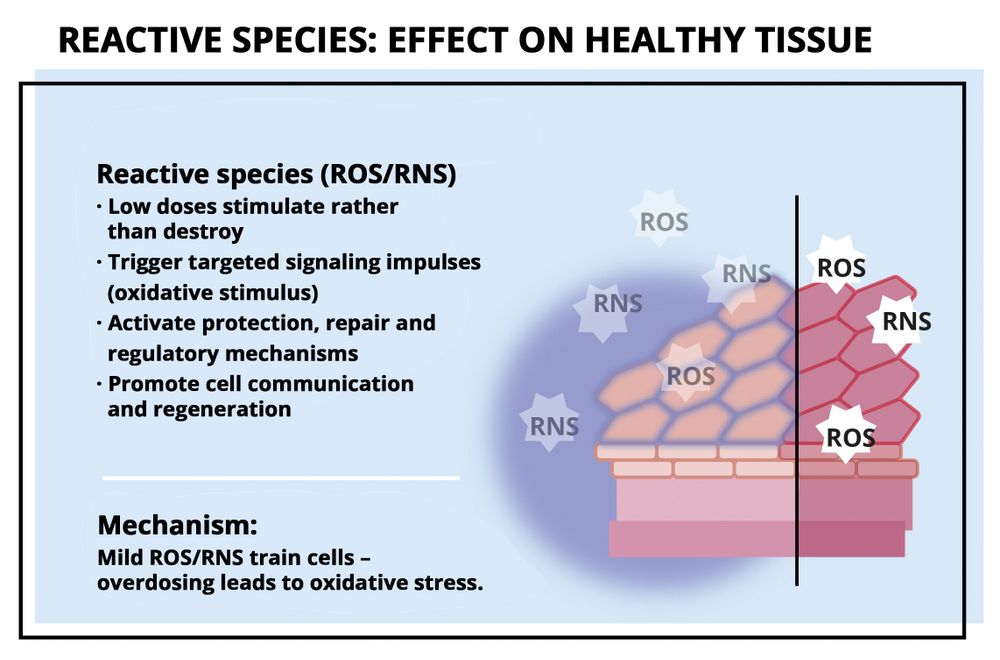
At the same time, the skin responds in a nuanced manner to controlled oxidative stimulation:
At low intensities, a hormetic effect2-3 unfolds, activating key processes:
- Cell communication
- Microcirculation
- Collagen and elastin synthesis
- Tissue regeneration
Cold plasma thus goes beyond mere pathogen elimination and addresses a factor in mycosis therapy that has previously received little attention.
Focus on proliferation and regeneration
Fungal infections impair the natural proliferation of skin and nail cells. The result is slowed or disrupted regeneration – for example, in nail growth.
But why is this the case?
Dermatophytes (e.g. Trichophyton spp.) preferentially infect keratinised tissues such as skin and nails and utilise keratin as a nutrient source. In doing so, they release proteolytic enzymes that alter the structure and function of the tissue. This leads to a disruption of epidermal homeostasis, including barrier function and cell turnover. At the cellular level, the infection is accompanied by inflammatory immune responses and tissue damage, which can affect the normal differentiation and proliferation of keratinocytes. This functionally impairs the regeneration of the affected structures (skin/nail). In the nail, the growth rate depends directly on the proliferative activity of the matrix cells. Pathological processes – including infections such as onychomycosis – can alter this activity, which is clinically evident as slowed or impaired nail growth and prolongs the regeneration process. 4-6
This is precisely where the dual therapeutic approach comes into play:
- Reducing the pathogen load creates the conditions for healing
- Stimulation of regenerative processes supports the restoration of healthy cell functions7
This results in a decisive advantage:
The therapy is not limited to treating the infection, but actively promotes the functional regeneration of the tissue. This can help to overcome typical weaknesses in the treatment of mycosis – particularly with regard to relapse prevention.
A finely regulated action profile rather than uncontrolled stress
Crucial to this effect is the precise control of the plasma.
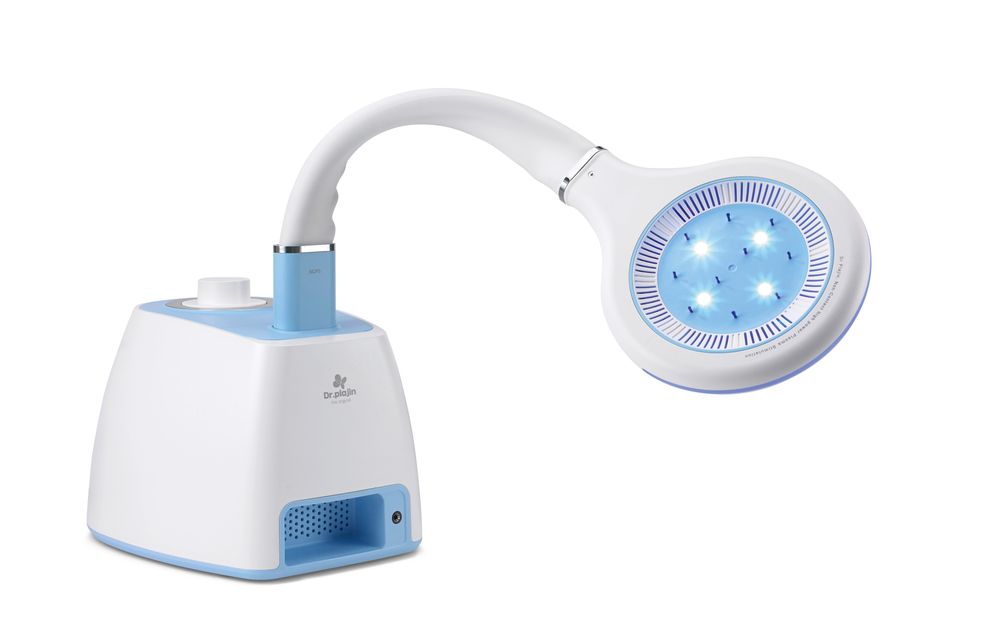
In the Dr.plajin system from GEHWOL TECH, free electrons perform a regulatory function: they act as a rapid buffer, reducing oxidative potential and stabilising the redox balance. At the same time, antimicrobial efficacy is maintained.
This results in a controlled action profile:
- effective against microorganisms
- whilst being gentle on and stimulating for the skin
Directed plasma for precise action
The patented DR.PLAJIN principle is based on a contactless, earthed process in which a directed plasma flow is generated specifically between the device head and the treatment area. This ensures that all active components are focused on the treatment area – rather than being released uncontrollably into the surrounding environment.
The result:
- reproducible therapeutic effects
- efficient use of plasma energy
- controlled application
Adjustable therapy – depending on the objective
A further advantage: the effect can be specifically tailored.
The ratio of antimicrobial intensity to regenerative stimulation can be controlled via the distance and treatment duration:
- short distance → stronger antimicrobial effect
- greater distance / longer duration → focus on regeneration and prevention
This makes cold plasma a versatile tool for therapy and aftercare.
Wide range of applications
The dual approach opens up a wide range of applications in podiatry:
- Nail and skin fungal infections
- Warts, viral lesions
- Cracks and inflammatory processes
- Diabetic foot syndrome
Conclusion: Lasting effects through combination rather than a single mechanism
With the GEHWOL TECH Dr.plajin cold plasma device, cold plasma is, for the first time, consistently conceived as a dual therapeutic concept. The combination of antimicrobial action and biological stimulation enables a broader approach to the treatment of fungal infections – with the potential for more effective therapy and improved control of recurrence.
Advantages of Dr.plajin at a glance
- Practical & cost-effective:
- contactless, no consumables, hygienic, low-maintenance
- Dual mode of action:
- antimicrobial therapy and regenerative skin stimulation in a single system
- Large treatment area (≥ 400 cm²)
- Safe for indoor use: low ozone and nitrogen oxide levels
Case study 1
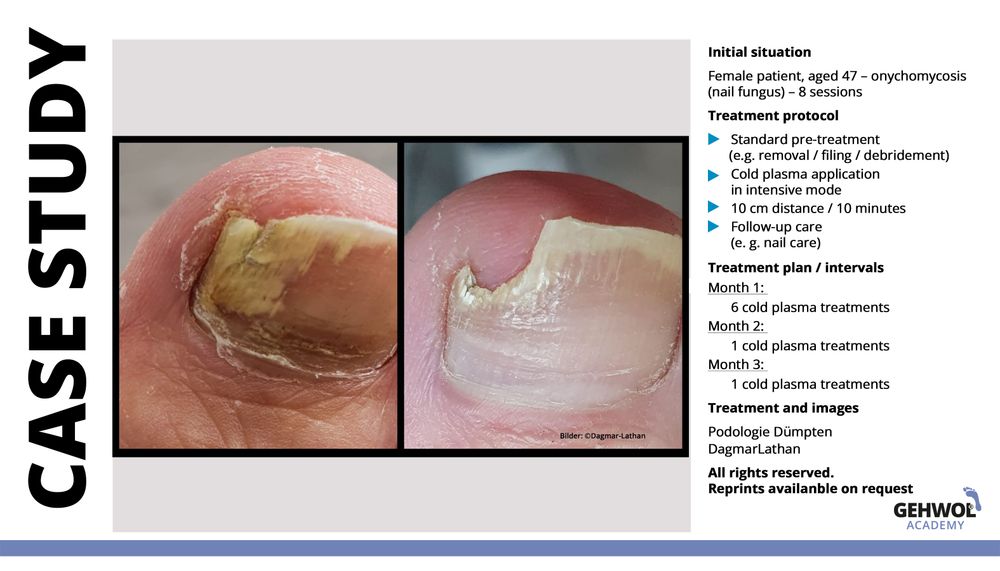
Case study 2
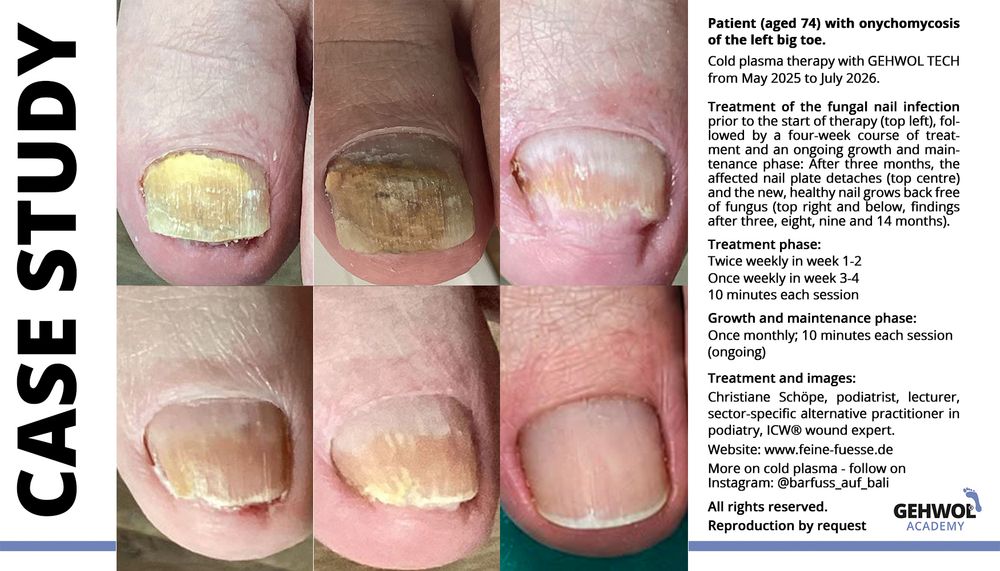
Further case studies, literature and resources available at
References
- Gnat S, Łagowski D, Dyląg M et al. Cold atmospheric pressure plasma … Infection. 2021;49:1233–1240.
- von Woedtke T, Schmidt A, Bekeschus S et al. Plasma medicine … In Vivo. 2019;33(4):1011–1026.
- Busco G, Robert E, Chettouh-Hammas N et al. Cold atmospheric plasma in skin biology. Free Radic Biol Med. 2020;161:290–304.
- Jartarkar SR et al. Dermatophytosis pathogenesis. J Fungi. 2022.
- Deng R et al. Dermatophyte infection. Front Immunol. 2023.
- Geyer AS et al. Nail growth modulation. J Am Acad Dermatol. 2004.
- Schmidt A et al. Plasma effects on keratinocytes. J Biol Chem. 2015;290(11):6731–6750.
Topics
Categories
With its GEHWOL brand cosmos, Eduard Gerlach GmbH is one of the most popular full-range suppliers of foot care products and technology and the market leader in the specialised foot care trade. Based on in-house research and development, the full range includes cosmetics, medical products and pharmaceuticals for foot care and foot health with different dosage forms, galenics and active ingredient formulations as well as for different skin types and skin problems. The products are available exclusively in foot care and podiatry practices, cosmetic institutes and pharmacies.